
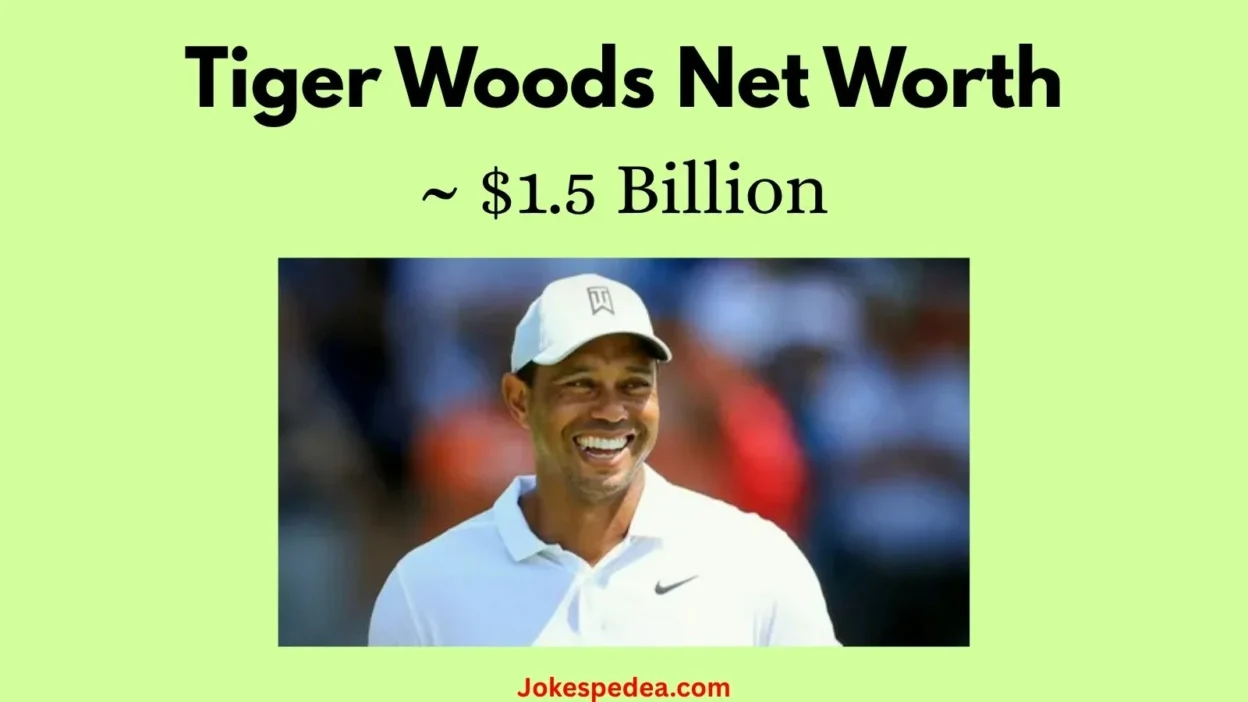
Tiger Woods net worth is one of the most searched topics in sports—and for good reason. Tiger Woods isn’t just a golf legend; he’s also one of the richest athletes in history.
As of 2026, his estimated net worth stands at an impressive $1.5 billion, according to Forbes, placing him among the world’s elite billionaire athletes.
But what makes his story even more fascinating is how he built this fortune. While he earned millions from winning tournaments, the majority of his wealth comes from endorsements, business ventures, and smart investments.
Over his career, Tiger has generated nearly $1.9 billion in total earnings, showing just how powerful his brand has become.
From dominating the PGA Tour to building a global business empire, Tiger Woods transformed his success on the course into long-term financial dominance. In this guide, you’ll discover exactly how he made his billions and where his money comes from.
Tiger Woods Net Worth (Quick Overview)
Tiger Woods has built an incredible fortune over the years, making him one of the wealthiest athletes of all time. As of 2026, his estimated net worth is $1.5 billion, according to financial reports and industry estimates. What sets Tiger apart is that most of his wealth didn’t just come from playing golf—it came from smart endorsements, business ventures, and long-term brand partnerships.
To make things simple, here’s a clear breakdown of his financial status:
| Category | Details |
| Net Worth (2026) | $1.5 Billion |
| Total Career Earnings | ~$1.9 Billion (Pre-Tax) |
| Golf Prize Money | ~$120 Million+ |
| Endorsement Earnings | ~$1.7 Billion+ |
| Main Income Sources | Golf, Sponsorships, Business Ventures |
| Billionaire Status | Yes |
Tiger’s earnings show a powerful trend—he made far more money off the course than on it. While his tournament winnings are impressive, they only make up a small portion of his overall wealth. The real driver behind his net worth is his long-standing deals with global brands and his ability to stay relevant for decades.
Another important point is consistency. Even during periods when injuries slowed his career, Tiger continued to earn millions through endorsements and investments. This steady income stream is a key reason why his net worth has continued to grow over time.
In short, Tiger Woods isn’t just rich because of golf—he’s rich because he turned his name into a global business brand.
Is Tiger Woods a Billionaire?
Yes—Tiger Woods is officially a billionaire, and this status is one of the biggest milestones in sports history. As of 2026, his estimated net worth is around $1.5 billion, placing him among a very small group of athlete billionaires worldwide. Unlike many sports stars who rely mainly on salaries or prize money, Tiger built his fortune through a mix of golf success, endorsements, and long-term business decisions.
What makes his billionaire status even more impressive is the timeline. Tiger did not become a billionaire only through tournament wins. In fact, his career prize money is relatively small compared to his overall wealth. The real growth came from endorsement deals and partnerships that started early in his career and continued for decades. His long-term association with global brands like Nike and Rolex helped him earn hundreds of millions off the course.
When compared with other sports legends such as Michael Jordan, Tiger Woods stands in the same elite financial category. Both athletes proved that modern sports wealth is no longer limited to playing performance—it is heavily driven by branding power and global influence.
Another key factor in Tiger’s billionaire journey is longevity. Despite injuries, surgeries, and career setbacks, he remained a global icon. Even during inactive periods, his endorsement deals continued generating massive income, keeping his wealth growing steadily.
In summary, Tiger Woods is not just a golf champion—he is a billionaire athlete whose financial success is built on talent, branding, and business strategy.
How Tiger Woods Built His Net Worth
Tiger Woods built his massive fortune through three major income streams: golf earnings, endorsements, and business ventures. While many people assume most of his wealth comes from winning tournaments, the reality is quite different—golf is only a small part of his financial success.
Golf Tournament Earnings
Tiger earned over $120 million in official PGA Tour prize money throughout his career. This includes wins from major championships and regular tour events. He became one of the most dominant golfers in history, especially during his peak years in the late 1990s and 2000s. However, compared to his total net worth, this is a relatively small portion.
Endorsements & Sponsorships
The real driver of Tiger’s wealth is endorsements. Over time, he earned more than $1.7 billion from sponsorship deals. Major partnerships with global brands like Nike and Rolex turned him into a global marketing icon. These deals often paid him far more than tournament winnings and continued even during injuries or breaks.
Business Ventures
Tiger also built wealth through smart business decisions. His company, TGR Ventures, manages investments, golf course design projects, and media partnerships. These ventures helped him create long-term income beyond his playing career.
In short, Tiger Woods didn’t just earn money from golf—he transformed his fame into a powerful global business empire.
Tiger Woods Career Earnings Breakdown
Tiger Woods has one of the most impressive financial records in sports history, with total career earnings estimated at around $1.9 billion (pre-tax). However, this massive figure is not from golf alone. His income is split between tournament winnings and off-course earnings, with endorsements forming the largest share.
Total Career Earnings
Across his entire professional journey, Tiger has earned nearly $1.9 billion before taxes and expenses. This includes all prize money, endorsement deals, appearance fees, and business income. It shows how powerful his global brand has become over decades.
Earnings from Golf Only
From playing on the PGA Tour, Tiger has earned approximately $120 million+ in official prize money. This includes victories in major championships, regular tour wins, and bonuses. While this is an extraordinary amount for any golfer, it represents only a small fraction of his total wealth.
Endorsement Earnings
The biggest contributor to his fortune is endorsements, which account for more than $1.7 billion over his career. Long-term deals with brands like Nike and Rolex have made him one of the highest-paid athletes in sponsorship history. These deals often continued even when he was injured or not actively competing, providing consistent income.
Key Insight
The breakdown clearly shows that Tiger Woods earned more than 10 times his golf income from endorsements alone. This highlights how modern athletes can build wealth far beyond their sport by leveraging global branding power.
Tiger Woods Net Worth Growth Over Time
Tiger Woods has seen one of the most dramatic wealth growth journeys in sports history. His net worth didn’t grow in a straight line—it evolved through explosive success, setbacks, recovery, and long-term brand power.
Early Career (1996–2000)
Tiger turned professional in 1996, and his early success came quickly. By winning major championships like the Masters in 1997, he became a global sensation. During this phase, endorsement deals began pouring in, especially from major brands like Nike. His net worth started climbing into the tens of millions.
Peak Dominance Era (2000–2009)
This was Tiger’s financial explosion phase. He dominated golf, winning multiple majors and becoming the face of the sport. His endorsement income skyrocketed, making him the highest-paid athlete in the world for several years. By the end of this era, his net worth had already reached hundreds of millions.
Setbacks & Recovery (2010–2017)
Injuries and personal controversies slowed his career, but his wealth did not collapse. Long-term contracts and brand loyalty helped him maintain strong earnings. Even without consistent tournament wins, he remained a global marketing icon.
Comeback & Modern Era (2018–2026)
Tiger’s comeback victory at the 2019 Masters boosted his brand value again. Business ventures, media presence, and selective appearances added more income streams. By 2026, his net worth is estimated at $1.5 billion, showing long-term financial resilience.
Key Insight
His growth proves that consistency, branding, and global influence matter as much as performance in building lasting wealth.
Tiger Woods Business Empire Explained
Tiger Woods has built more than a sports career—he has created a multi-layered business empire that continues to generate income even when he is not actively competing.
TGR Ventures
At the center of his empire is TGR Ventures, his personal business company. It manages all his commercial interests, including investments, media projects, and brand partnerships. This structure allows Tiger to control his wealth strategically rather than relying only on sports earnings.
Golf Course Design
One of Tiger’s most valuable business areas is golf course design. He works on high-end projects around the world, designing premium golf courses for luxury resorts and private developments. These projects not only pay large design fees but also strengthen his legacy in the sport beyond playing.
Media & Content Projects
Tiger has also expanded into media and storytelling. Documentaries, interviews, and brand content collaborations keep him relevant in global sports culture. These appearances may not always be his main income source, but they add long-term brand value and visibility.
Strategic Investments
Over the years, he has invested in real estate and sports-related ventures. These investments help diversify his income, ensuring his wealth is not dependent solely on golf or endorsements.
Key Insight
Unlike many athletes who rely on short-term fame, Tiger Woods built a structured business ecosystem. This system ensures that his name continues to generate value long after tournament play slows down, making his financial empire sustainable and future-proof.
Tiger Woods Lifestyle & Assets
Tiger Woods enjoys a luxury lifestyle that reflects his billionaire status, but it is also relatively private compared to many other global celebrities. His wealth is visible through his real estate, vehicles, and select high-end possessions.
Real Estate Portfolio
Tiger owns multiple luxury properties, with his most famous residence located in Jupiter Island, Florida. This estate is valued in the tens of millions and includes features like a private golf practice area, swimming pools, and ocean access. Over the years, he has also invested in other properties, but he keeps most of his real estate details private.
Car Collection
His car collection reflects a mix of performance and luxury. Tiger has been seen with high-end vehicles from brands like Lamborghini, Mercedes-Benz, and Porsche. However, unlike some athletes, he does not overly showcase his collection, preferring a more low-profile lifestyle.
Yacht & Private Travel
Tiger also owns a luxury yacht named Privacy, which he uses for relaxation and travel. In addition, he has access to private jet travel through partnerships and personal arrangements, allowing him to move discreetly between tournaments, business meetings, and personal trips.
Lifestyle Approach
Despite his massive wealth, Tiger is known for being relatively disciplined and private. He avoids excessive public display of luxury and focuses more on performance, recovery, and business strategy.
Key Insight
His lifestyle shows a balance between luxury and control—he enjoys the benefits of extreme wealth but maintains a focused and strategic public image that protects his long-term brand value.
Tiger Woods vs Other Athletes Net Worth
Tiger Woods is often compared with other global sports icons when it comes to wealth, and his financial standing places him firmly among the richest athletes in history.
Comparison with Michael Jordan
One of the closest comparisons is Michael Jordan. Both athletes have reached billionaire status, but their wealth paths are slightly different. Jordan built most of his fortune through ownership stakes and long-term business deals, especially with Nike’s Air Jordan brand. Tiger, on the other hand, earned a larger portion of his wealth through endorsements and direct sponsorship deals during his active career.
Comparison with Cristiano Ronaldo
Another major comparison is Cristiano Ronaldo. Ronaldo earns massive yearly income from contracts and endorsements, but his total net worth is still generally estimated below Tiger’s current $1.5 billion level. However, Ronaldo’s active earnings continue to grow rapidly, which could close the gap over time.
Key Differences in Wealth Sources
- Tiger Woods: endorsements + golf + business ventures
- Michael Jordan: ownership + branding empire
- Cristiano Ronaldo: salary + sponsorship + social media influence
Why Tiger Stands Out
Tiger’s financial dominance is unique because he built his wealth mainly during his peak playing years and still maintained strong earnings during injuries and career breaks. His long-term endorsement power kept his income stable even when he was not actively competing.
Key Insight
Tiger Woods represents a rare case where sports performance, global branding, and long-term partnerships combined to create one of the most stable and high-value financial careers in sports history.
What Makes Tiger Woods So Rich?
Tiger Woods didn’t become a billionaire by accident—his wealth is the result of a rare combination of talent, timing, branding, and smart financial decisions.
Global Brand Power
Tiger became a global icon at a very young age. His dominance in golf made him instantly recognizable worldwide, which attracted top-tier sponsors. Companies were not just paying for performance—they were paying for his global influence and credibility.
Longevity in Career
One of the biggest reasons behind his massive net worth is his long career span. Even after injuries and setbacks, Tiger remained relevant for decades. This long-term presence allowed him to keep earning from endorsements and appearances far beyond his peak playing years.
High-Value Endorsements
Partnerships with brands like Nike and Rolex played a huge role in building his fortune. These deals were not short-term—they were long-term contracts that provided steady income for years, even when he wasn’t competing.
Smart Business Decisions
Tiger also expanded into business ventures through TGR Ventures, golf course design, and investments. These moves helped him diversify income streams and reduce dependence on tournament earnings.
Influence on Golf Industry
Tiger’s presence also increased the popularity of golf globally, which indirectly boosted his earning potential. More viewers, sponsors, and tournaments meant more financial opportunities.
Key Insight
Tiger Woods’ wealth is not just about winning tournaments—it’s about becoming a global sports brand with multiple income engines working together for decades.
Challenges That Affected Tiger Woods’ Net Worth
Tiger Woods has experienced extraordinary financial success, but his journey also includes serious challenges that temporarily affected his career momentum and earning potential.
Injuries and Health Issues
One of the biggest challenges in Tiger’s career has been recurring injuries, especially to his back and knees. Multiple surgeries limited his ability to compete consistently on the PGA Tour. Since tournament performance directly impacts prize money and sponsorship visibility, these injuries slowed down his on-course earnings.
Personal Controversies
Tiger also faced personal controversies that affected his public image for a period of time. Some endorsement deals were reduced or paused during that phase. However, unlike many athletes, his long-term brand value remained strong enough for major sponsors like Nike to continue their partnerships after time.
Impact on Sponsorship Value
During his recovery years, his active visibility in sports decreased, which slightly reduced short-term marketing value. However, because he was already a global icon, his long-term contracts helped stabilize his income even during low activity periods.
Strong Comeback Effect
Despite setbacks, Tiger’s return—especially his famous 2019 Masters victory—restored global attention and significantly boosted his brand value again. This comeback reinforced his position as one of the most marketable athletes in the world.
Key Insight
Although injuries and controversies slowed his progress at times, they did not stop his overall wealth growth. Instead, they highlight how strong branding and long-term endorsements can protect an athlete’s financial stability even during difficult phases of their career.
Lessons from Tiger Woods’ Wealth Strategy
Tiger Woods offers powerful lessons on how an athlete can turn sports success into long-term financial freedom. His journey is not just about golf—it’s about building a sustainable wealth strategy that works beyond performance.
1. Build a Strong Personal Brand
Tiger’s biggest lesson is the power of branding. From early in his career, he became more than a golfer—he became a global personality. This helped him attract elite sponsors and long-term partnerships with companies like Nike.
2. Diversify Income Streams
Instead of relying only on tournament winnings, Tiger expanded into endorsements, business ventures, and investments. His involvement in TGR Ventures and golf course design shows the importance of not depending on a single income source.
3. Focus on Long-Term Partnerships
One reason his wealth remained stable even during injuries is long-term sponsorship deals. These agreements ensured continuous income even when he was not actively competing.
4. Turn Fame into Business Value
Tiger successfully transformed his fame into a business asset. Every appearance, endorsement, and project added long-term value to his brand.
5. Stay Relevant Over Time
Even after setbacks, Tiger remained in global conversations through comebacks, media coverage, and selective participation in major events. Staying relevant helped maintain his financial strength.
Key Insight
The biggest takeaway from Tiger Woods’ wealth strategy is simple: sports success creates opportunity, but financial intelligence builds lasting wealth.
FAQs
Tiger Woods is one of the most searched athletes in the world, and people often have questions about how he made his fortune, how much he earns, and his current financial status. Below are the most common FAQs.
What is Tiger Woods’ net worth in 2026?
As of 2026, Tiger Woods’ estimated net worth is around $1.5 billion, making him one of the richest athletes in sports history.
How much does Tiger Woods earn per year?
His yearly income varies, but he still earns tens of millions annually through endorsements, business ventures, and selective appearances, even when not competing full-time.
What is Tiger Woods’ biggest source of income?
The majority of his wealth comes from endorsement deals, especially long-term partnerships with brands like Nike and Rolex.
Is Tiger Woods richer than Michael Jordan?
Michael Jordan and Tiger Woods are both billionaires, but their wealth sources differ. Jordan’s fortune is heavily tied to ownership and branding, while Tiger’s comes more from endorsements and sports earnings.
How much has Tiger Woods earned in total?
His total career earnings are estimated at nearly $1.9 billion before taxes, combining golf winnings, sponsorships, and business income.
Does Tiger Woods still earn money after injuries?
Yes, even during injuries or breaks, Tiger continues to earn from long-term endorsement contracts and business ventures.
Key Insight
Tiger’s financial success shows that his wealth is not just about golf—it’s about building a powerful and lasting global brand.
Conclusion
Tiger Woods is more than just a golf legend—he is a global financial powerhouse. With an estimated net worth of $1.5 billion in 2026, his journey shows how talent, discipline, and smart branding can turn sports success into lifelong wealth.
From record-breaking PGA Tour wins to billion-dollar endorsement deals with brands like Nike, Tiger built a financial empire that extends far beyond the golf course. His story proves that true wealth comes from diversification, long-term partnerships, and strategic thinking.
In the end, Tiger Woods stands as a perfect example of how an athlete can become a global business icon.